
Pelvic Floor Physiotherapy
The pelvic floor is a group of muscles that support the bladder, uterus (in women), and bowel. These muscles play a key role in controlling urination, bowel movements, and core stability. Weakness or dysfunction in this area is common and can lead to issues such as incontinence, pelvic pain, or discomfort during daily activities.
Pelvic floor physiotherapy helps restore strength, coordination, and control to these muscles, improving overall quality of life.
1. Common Signs You May Need Pelvic Floor Physiotherapy
Urinary or Fecal Leakage – Accidental leaks when coughing, sneezing, or exercising are common signs of pelvic floor weakness.
Pelvic or Lower Back Pain – Discomfort in the pelvis or lower back can indicate tension or weakness in pelvic muscles.
Difficulty with Bowel Movements – Straining, constipation, or incomplete emptying may be linked to pelvic floor dysfunction.
Pain During Intimacy – Pain or discomfort during sexual activity can be a sign of tight or weak pelvic muscles.
Postpartum Recovery Challenges – After childbirth, the pelvic floor often needs specialized care to regain strength and function.
2. How Pelvic Floor Physiotherapy Helps
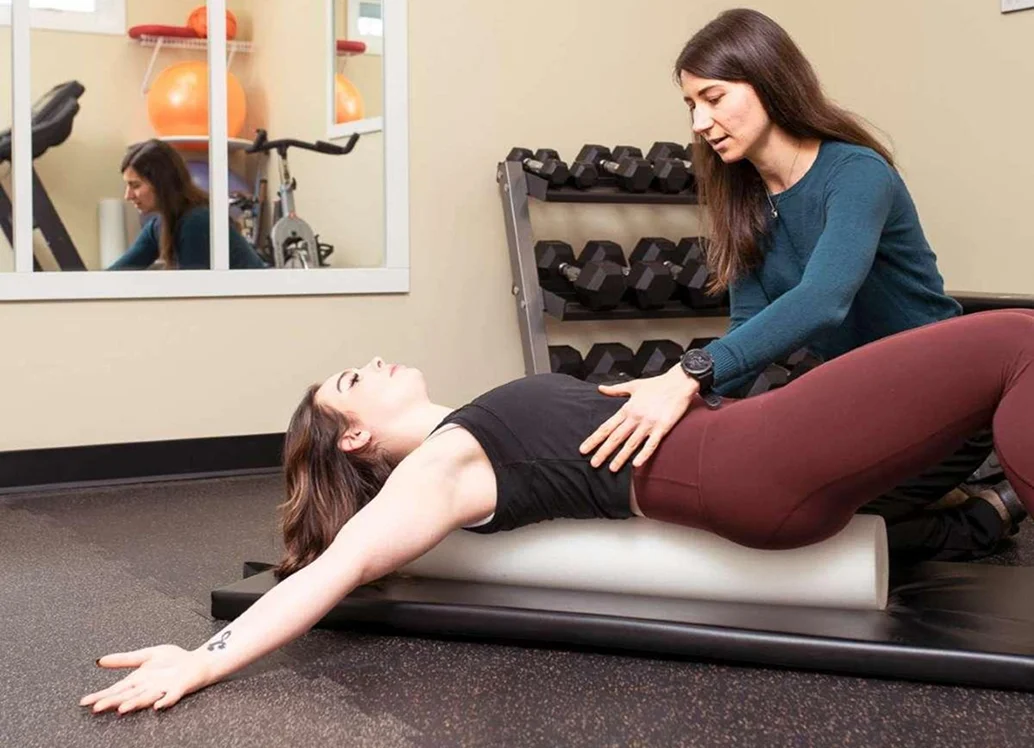
A physiotherapist can assess pelvic floor strength and function, teach targeted exercises to strengthen or relax the muscles, and provide guidance on posture and core stability. They may also use manual therapy or specialized techniques to reduce tension and offer education on lifestyle changes that protect pelvic health.
3. Managing Pelvic Floor Health at Home
- Perform prescribed exercises regularly
- Practice good posture and core activation
- Avoid excessive straining during bowel movements
- Stay active with low-impact exercises
Final Thoughts
Pelvic floor physiotherapy is a safe and effective way to regain control, reduce pain, and improve daily function. Early assessment and treatment can help prevent long-term problems and allow you to feel more confident and comfortable in your daily life.
FAQ
Q1: Who can benefit from pelvic floor physiotherapy?
Anyone experiencing urinary or bowel issues, pelvic pain, postnatal recovery challenges, or core weakness can benefit from pelvic floor physiotherapy.
Q2: Is it invasive or painful?
Treatment may include an internal assessment for accuracy, but it is performed gently and always tailored to your comfort level.
Q3: How long does recovery take?
Recovery depends on the severity of symptoms, consistency with exercises, and overall health, but most people begin to notice improvement within a few weeks.
James Snow Physiotherapy & Rehabilitation Center is a dynamic multidisciplinary center in Milton Since, 2014. Our registered, Experienced physiotherapists provide affordable and best Physiotherapy, Chiropractor, Acupuncture, WSIB / MVA, Back Brace/Knee Brace, custom Orthotics, Registered Massage Therapy, Compression Stockings etc. in Milton