
Heel pain is one of the most common foot problems, and plantar fasciitis is often the reason behind it. The plantar fascia is a thick band of tissue that runs along the bottom of your foot, connecting your heel bone to your toes. Its job is to support the arch of your foot and absorb the stress of walking, running, and standing. When this tissue becomes irritated or overloaded, it can lead to pain and inflammation.
The good news is that with the right treatment, most people recover well and can return to their normal activities without ongoing pain.
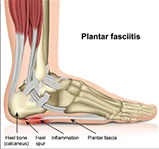
What Causes Plantar Fasciitis?
Plantar fasciitis usually develops gradually from repetitive strain rather than a single injury. Several factors can increase your risk, including:
- Prolonged standing or walking
- Running, jumping, or high-impact sports
- Tight calf muscles or a tight Achilles tendon
- Flat feet or high arches
- Poorly supportive or worn-out footwear
- Sudden increases in activity or exercise
- Excess body weight, which places more stress on the foot
Many people experience a combination of these factors rather than just one.
Common Symptoms
The hallmark symptom of plantar fasciitis is sharp heel pain when taking your first few steps in the morning. As the tissue warms up, the pain may ease, but it often returns after prolonged standing, walking, or exercise.
Other common symptoms include:
- Heel pain after sitting or resting
- Tenderness underneath the heel
- Morning stiffness
- Pain that worsens after prolonged activity
- Discomfort when climbing stairs or walking barefoot on hard surfaces
Ignoring these symptoms can allow the condition to become more persistent and harder to treat.
How Physiotherapy Can Help

Physiotherapy focuses on treating both the pain and the underlying causes of plantar fasciitis, helping reduce symptoms while preventing future flare-ups.
Treatment may include:
- Stretching exercises for the plantar fascia, calf muscles, and Achilles tendon to improve flexibility.
- Strengthening exercises for the foot, ankle, and lower leg to improve support for the arch and reduce strain on the plantar fascia.
- Manual therapy and soft tissue release to improve tissue mobility and reduce muscle tightness.
- Gait retraining and activity modification to correct walking or running mechanics and reduce repetitive stress.
- Footwear education to ensure proper support during daily activities.
- Pain-relief modalities such as taping, ice or heat therapy, ultrasound, shockwave therapy or other physiotherapy treatments when appropriate.
A personalized rehabilitation program helps restore normal movement while gradually returning you to work, exercise, and everyday activities.
Can Massage Therapy Help?
Massage therapy can help relieve muscle tightness in the quadriceps, hamstrings, calves, and IT band. Techniques such as deep tissue massage and myofascial release can reduce tension, improve flexibility, and support your rehabilitation program.
Can Orthotics Help?
For some people, custom orthotics can be an effective part of treatment. By supporting the arch and improving foot alignment, orthotics help reduce excessive stress on the plantar fascia during standing and walking.
Orthotics may:
- Reduce heel pain during daily activities
- Improve foot biomechanics
- Provide additional arch support and cushioning
- Benefit people with flat feet, high arches, or excessive pronation
- Be recommended for temporary or long-term use depending on individual needs
A professional assessment can determine whether orthotics are appropriate for your specific condition.
Can Massage Therapy Help?
Massage therapy can complement physiotherapy by reducing tension in the calf muscles and plantar fascia. It may help:
- Improve circulation
- Decrease muscle tightness
- Reduce stiffness
- Improve flexibility
- Support recovery alongside exercise therapy
While massage alone does not correct the underlying cause, it can help make movement more comfortable and improve overall treatment outcomes.
Can Chiropractic Care Help?
Chiropractic care may also play a supportive role by improving mobility in the foot and ankle joints. Restoring normal joint movement can reduce stiffness, improve walking mechanics, and complement a comprehensive physiotherapy program.
When Should You Seek Treatment?

You should consider seeking treatment if:
- Heel pain lasts longer than one week
- The pain keeps returning
- Walking or standing becomes difficult
- Your symptoms interfere with work, exercise, or daily activities
- Home remedies are no longer providing relief
Early treatment often leads to faster recovery and reduces the risk of developing chronic heel pain.
The Bottom Line
Plantar fasciitis is a common but highly treatable condition. Most people recover successfully with a combination of physiotherapy, targeted stretching and strengthening exercises, supportive footwear, activity modification, and, when appropriate, custom orthotics. Massage therapy and chiropractic care can also complement your rehabilitation by improving flexibility and joint mobility.
The sooner treatment begins, the sooner you can get back to walking, working, and enjoying your daily activities with less pain and a lower risk of recurrence.
James Snow Physiotherapy & Rehabilitation Center is a dynamic multidisciplinary center in Milton Since, 2014. Our registered, Experienced physiotherapists provide affordable and best Physiotherapy, Chiropractor, Acupuncture, WSIB / MVA, Back Brace/Knee Brace, custom Orthotics, Registered Massage Therapy, Compression Stockings etc. in Milton